
Top Tips for Commercial Roof Repairs - Roof Repair Advice Gulfport
When it comes to maintaining your commercial property, the roof is one of the most critical components. A well-maintained roof protects your investment, keeps your business running smoothly, and prevents costly damage. If you own or manage a commercial building, knowing the right steps for roof repairs can save you time, money, and headaches down the road. Here’s some straightforward, practical roof repair advice Gulfport property owners can trust.
Understanding the Basics of Commercial Roof Repairs
Commercial roofs differ from residential ones in size, materials, and complexity. They often cover larger areas and use materials like TPO, EPDM, metal, or built-up roofing. Because of this, repairs require a different approach.
Key things to keep in mind:
Identify the type of roof you have. Knowing whether your roof is flat, low-slope, or pitched helps determine the best repair method.
Regular inspections are essential. Catching small issues early prevents bigger problems.
Weather plays a big role. South Mississippi’s climate, with its storms and humidity, can accelerate roof wear and tear.
Before starting any repair, assess the damage carefully. Look for cracks, blisters, punctures, or pooling water. These signs often indicate where repairs are needed most.
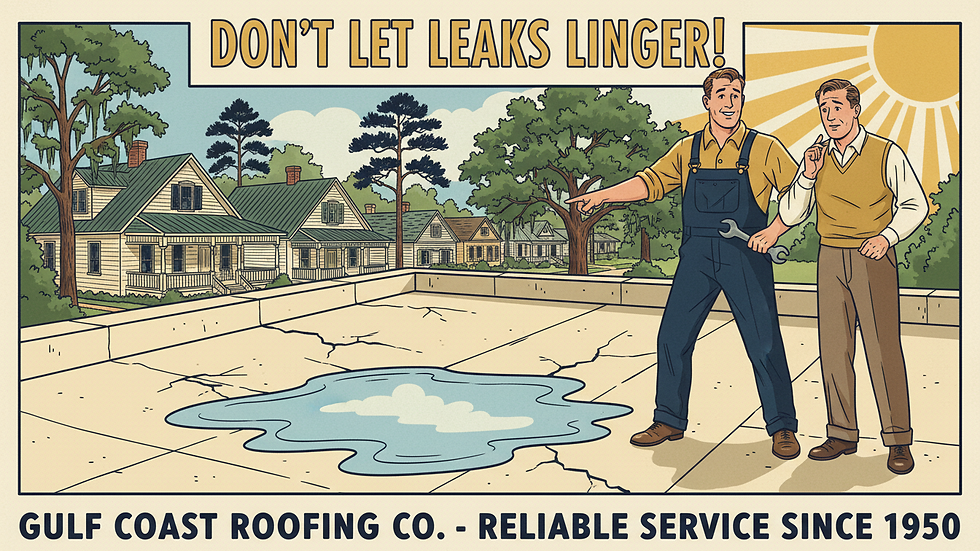
Roof Repair Advice Gulfport Property Owners Should Follow
If you’re in Gulfport or nearby areas, here’s some advice tailored to your local conditions and building types.
1. Schedule Regular Roof Inspections
Don’t wait for leaks to appear. Schedule inspections at least twice a year, ideally in spring and fall. After storms, check for damage immediately. Inspections help you spot:
Loose or missing flashing
Damaged membranes or coatings
Clogged drains or gutters
Signs of ponding water
2. Address Small Repairs Quickly
Small issues like punctures or loose seams can escalate fast. Fixing them early prevents water infiltration and structural damage. Use compatible patch materials and sealants designed for your roof type.
3. Keep Roof Drains and Gutters Clear
Blocked drains cause water to pool, which adds weight and stresses the roof. Regularly clean debris and check for proper drainage. This simple step extends your roof’s life.
4. Use Quality Materials for Repairs
Cheap materials might save money upfront but often lead to repeated repairs. Invest in high-quality patches, sealants, and membranes that match your roof’s specifications.
5. Hire Experienced Professionals
Commercial roof repairs require skill and safety precautions. Look for contractors familiar with local codes and weather conditions. They’ll ensure repairs are done right the first time.
How to Spot When It’s Time for a Roof Replacement
Sometimes repairs aren’t enough. If your roof is old or extensively damaged, replacement might be the better option. Here’s how to tell:
Age of the roof: Most commercial roofs last 15-25 years depending on materials.
Frequent repairs: If you’re fixing leaks or damage multiple times a year, replacement could save money long-term.
Widespread damage: Large areas of blistering, cracking, or membrane failure indicate serious issues.
Energy inefficiency: Older roofs may lack proper insulation or reflective coatings, increasing cooling costs.
If you’re unsure, a professional inspection can help you weigh repair versus replacement options.

What to Expect During a Commercial Roof Repair
Understanding the repair process helps you plan and avoid surprises.
Initial assessment: The contractor inspects the roof and identifies problem areas.
Preparation: The roof surface is cleaned and prepped for repair.
Repair work: This may include patching holes, resealing seams, or replacing damaged sections.
Final inspection: The contractor checks the repair quality and ensures everything is sealed properly.
Repairs can take from a few hours to several days depending on the extent of damage and weather conditions. Make sure your contractor communicates timelines clearly.
Protecting Your Investment with Preventive Maintenance
After repairs, ongoing maintenance is key to extending your roof’s life.
Regular cleaning: Remove debris and dirt buildup.
Seasonal inspections: Check for new damage or wear.
Prompt repairs: Fix minor issues before they grow.
Documentation: Keep records of inspections and repairs for insurance and resale purposes.
By staying proactive, you avoid emergency repairs and costly replacements.
If you’re looking for reliable commercial roof repair Gulfport services, make sure to choose a contractor who understands local weather challenges and building codes.
Taking the Next Step for Your Commercial Roof
Your commercial roof is a major asset that deserves attention and care. Whether you’re dealing with minor leaks or planning a full replacement, following these tips will help you make informed decisions. Regular inspections, timely repairs, and quality materials are your best defense against costly damage.
If you notice signs of wear or damage, don’t delay. Reach out to a trusted local professional who can provide a thorough assessment and clear options. Protect your property and keep your business running smoothly with smart roof care.
By keeping these practical tips in mind, you’ll be well on your way to maintaining a strong, durable commercial roof that stands up to South Mississippi’s weather year after year.


Comments